
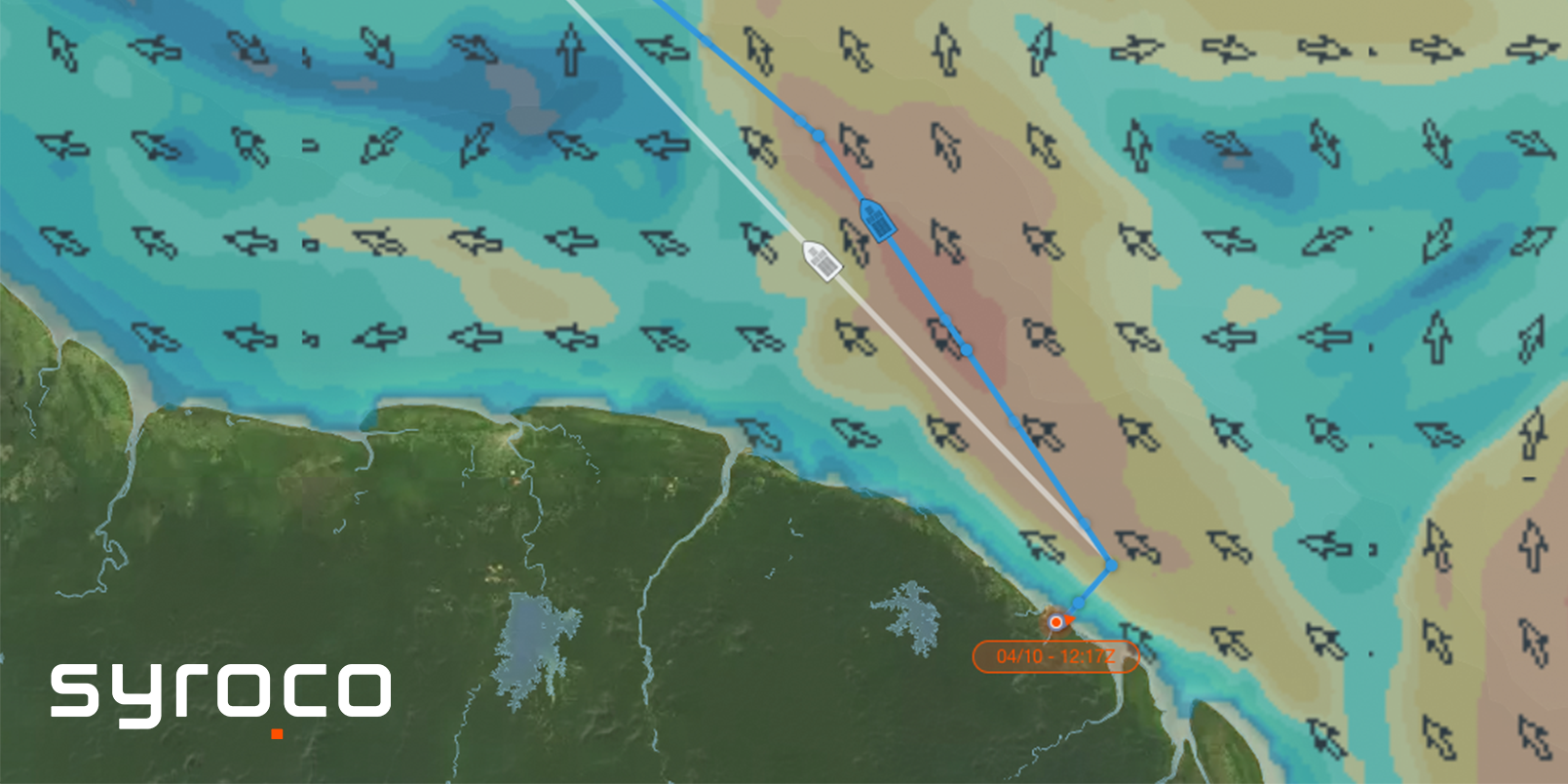
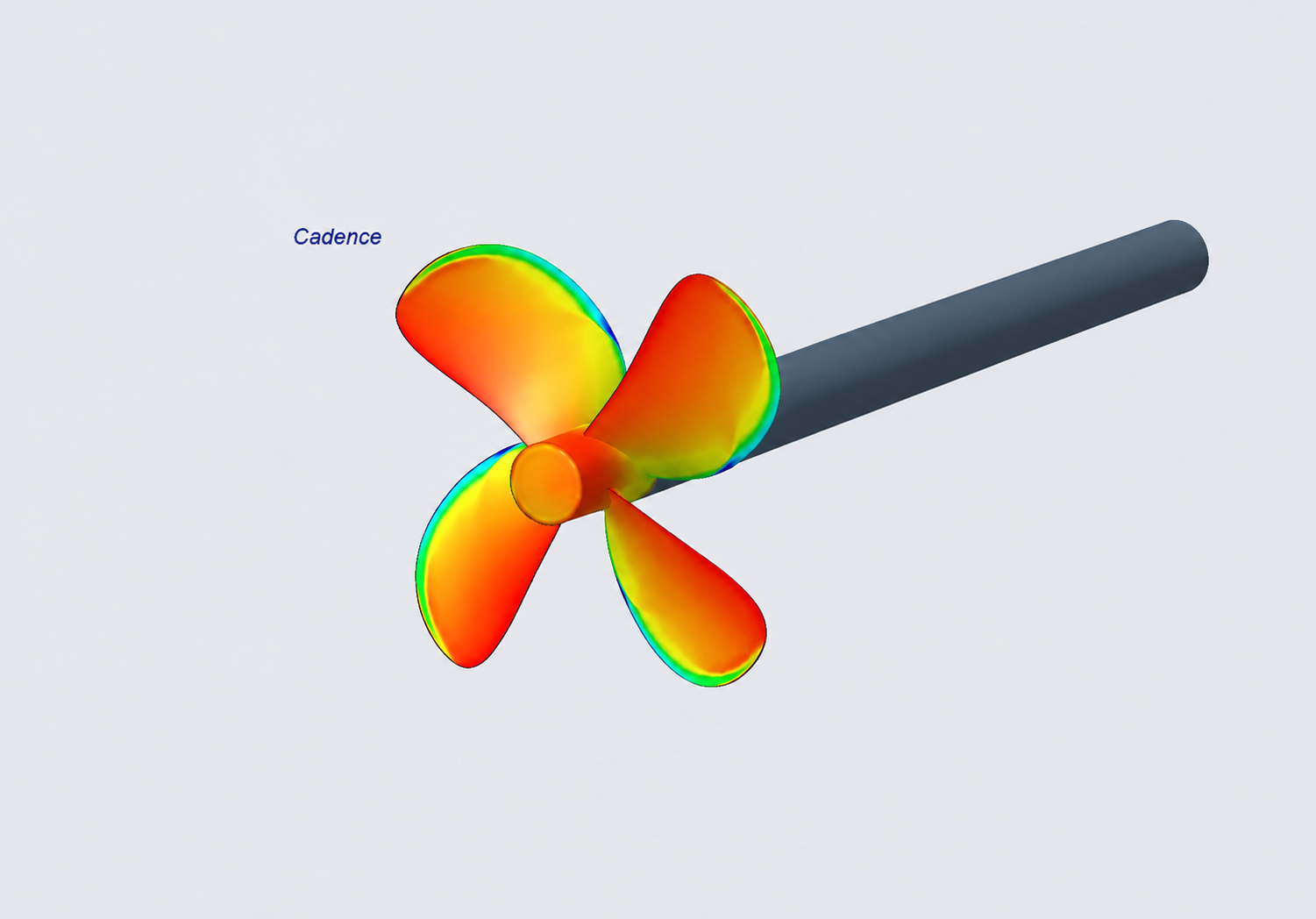

The most recent version of Syroco EfficientShip leverages advanced technology from Syroco partners to deliver optimised routes to ships, in real-time. Beyond the concept, let's take a closer look at what 'optimised' means. The way routing in EfficientShip is implemented, it means that routes are calculated to reach a combination of goals, taking into account a number of constraints. This is what is called multi-objective optimisation.
Dealing with constraints
The first set of constraints the optimisation algorithm has to deal with is the en-route weather conditions, present and forecasted. Sea conditions (waves/swell height and frequency), currents and winds have a strong influence on the behaviour of the vessel and the efficiency of her propulsion systems. Such behaviour and efficiency are represented by the digital twin of the ship.
Then operational considerations apply, which can include:
- Operating envelope of the vessel
- Navigational constraints for the voyage
- Scheduling constraints, and especially departure/arrival date & time
- Vessel operating costs, including daily charter rate
Routing algorithms
EfficientShip uses latest generation routing algorithms, developed by Syroco partner Theyr that delivers the first AI-based multi-objective optimisation engine for maritime routing. The selected algorithms are capable of simultaneously optimising for several objectives and constraints, including time, fuel and emissions.
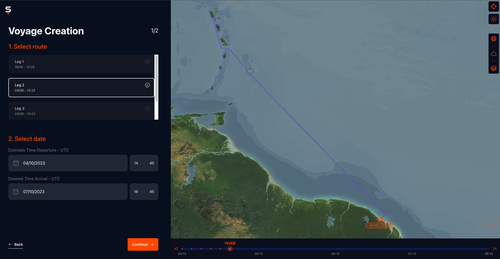
To launch a routing calculation, the user defines a route and its associated constraints:
- Departure, arrival, required waypoints
- Estimated Time of Departure (with or without margin: "ETD window") - this is a "hard" constraint
- Desired Time of Arrival (with or without margin: "Arrival Window")
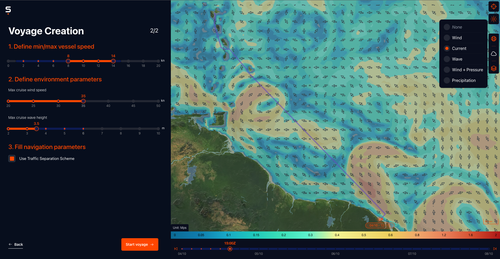
The routing algorithms use as additional input:
- Number of waypoints the users are willing to take into account to plan the vessel's route
- Vessel envelope constraints: min/max power, max wave height, max wind speed, etc. (treated as "hard" constraints)
- Voyage operating hard constraints: draft, under keel clearance, land proximity
- Voyage operating soft constraints: min/max power, max wave height, max wind speed, etc.
The genetic algorithm generates routes that are then presented to the crew through the EfficientShip user interface. Of course, all routes presented are verified to be navigable.
Multi-objective outputs
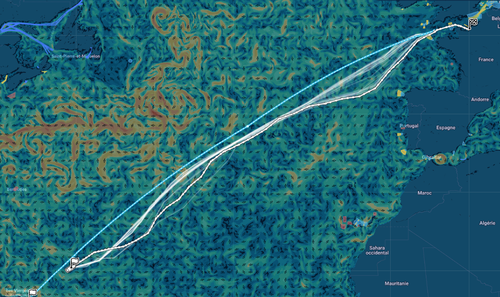
When the algorithm is running, it finds the best routes that match the need. The primary objective will always be to minimise fuel consumption but it takes into account other objectives to provide a variety of route options:
- Best Time route will aim at the earliest ETA within the arrival window
- Just In Time Arrival route will aim at matching exactly the desired time of arrival
- Min Fuel will find the best route within the arrival window to minimise fuel
- Best TCE integrates the Daily Charter Rate of the vessel to find an optimised balance between fuel consumption and vessel operating costs
In addition to these routes, the algorithm returns a "Pareto Front" of many applicable solutions, that can be used to seek answers to special objectives or to review step-by-step options (such as hourly steps in ETA).
Real-time voyage optimisation
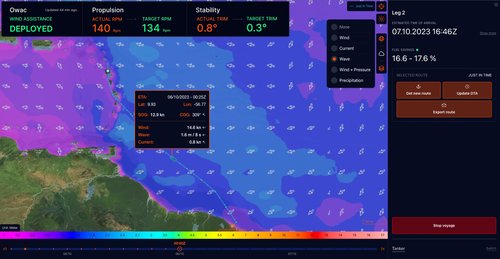
Once a route has been selected, Syroco EfficientShip guides the ship's crew in the optimal use of their vessel, providing a combination of advice on route (heading, speed) and on ship optimal configuration, in a step-by-step mode.
.png?width=2048&height=1076&name=Design%20sans%20titre%20(8).png)