
Harnessing the Wind: Opportunities and Challenges of Wind Propulsion in Commercial Shipping

Syroco
For centuries, wind powered the movement of goods across the oceans - until fossil fuels made shipping faster, more predictable, and also more polluting. Today, shipping is under unprecedented pressure to reduce its carbon footprint: regulatory deadlines are closing in, carbon costs are rising, cargo owners and consumers are demanding cleaner supply chains.
This is why the industry is looking again to the wind. Unlike oil, LNG, or even biofuels, wind is a free, clean, and inexhaustible energy source. And crucially, it’s not just a way to reduce fuel consumption - it replaces part of the engine load entirely, supplying primary propulsion power.
It is essential to recognise wind propulsion not merely as an energy-efficiency measure, but as a genuine source of primary propulsion energy. Wind can replace part of the power load traditionally handled by engines. Instead of just reducing fuel consumption, it directly provides propulsive force, reducing the need for combustion. It is inexhaustible, cost-free, and - at least on certain routes - predictable.
This shift in perspective matters: wind is not just about shaving a few percent off consumption. It’s about adding a new energy vector to the propulsion mix.
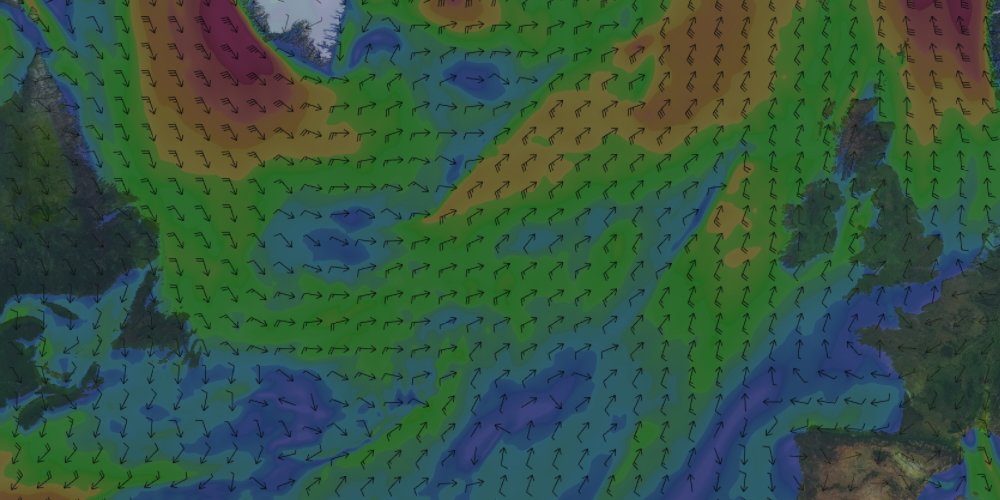
While wind propulsion offers the promise of free and clean energy, it also introduces a layer of complexity that conventional vessels do not face. Traditional engine-driven ships can follow fixed schedules and direct routes, largely independent of weather. By contrast, wind propulsion is inherently intermittent and variable: its power depends on wind speed, direction, and consistency, all of which fluctuate across seasons and geographies. This means that wind-powered or wind-assisted vessels must be operated with a greater degree of flexibility and anticipation.
Voyage optimisation becomes absolutely central to their performance. Instead of simply plotting the shortest or fastest route, operators must identify routes that offer the best wind exposure while still fitting within commercial constraints. This demands real-time integration of weather forecasts, performance models, and operational schedules to adjust course and speed. A few degrees of heading or a modest change in timing can make the difference between harnessing substantial free energy and relying almost entirely on engine power. For conventional vessels, such optimisations already produce significant value; for wind-propelled ships, they are essential for achieving the expected performance.
Port operations also impose constraints. Large sails or rotor systems can conflict with port infrastructure, such as cranes and bridges, and may limit maneuverability during berthing. Some systems are retractable or foldable to ensure safe cargo handling and compliance with port safety regulations. This requires coordination between deck layouts, crew procedures, and port authorities.
Finally, retrofitting wind systems on existing ships poses design and stability challenges. Deck space must be available, structural loads must be absorbed, and crew must be trained to operate and maintain the systems. These constraints do not make wind propulsion impractical - but they do mean it must be approached as an integrated operational transformation, not just an add-on technology.
Wind propulsion systems require substantial upfront investment, whether on newbuilds or retrofits. Their economic viability depends on:
This makes accurate performance modelling critical. Simulation platforms allow shipowners to evaluate the energy contribution of wind systems before installation, reducing financial risk. Access to green financing, subsidies, and cargo-owner incentives can further strengthen the business case.
Ultimately, the key is not just cutting emissions - it’s proving the return on investment.
Wind propulsion delivers the strongest returns on specific vessel profiles and routes - typically large cargo ships on long, open-sea legs. Several leading shipowners are already moving forward, using Syroco Live to operate and optimise wind systems:
By combining wind propulsion with weather routing, voyage optimisation and alternative fuels, these shipowners are building layered decarbonization strategies that go beyond efficiency to add a new source of free energy to their propulsion mix.
The momentum behind wind propulsion is accelerating:
Collaboration will be key - between shipowners, technology providers, and data platforms - to build confidence and reduce investment risk. Tools like Syroco Live will play a central role by turning real operational data into reliable decision support.
Wind propulsion is not a silver bullet, but it is a powerful lever in shipping’s transition to net zero. Treating wind as a true energy source, integrating it carefully into vessel design and operations, and underpinning investment with rigorous performance modelling are essential.
With the right approach, the wind can once again drive the future of shipping - this time, sustainably.
.png?width=2048&height=1076&name=Design%20sans%20titre%20(8).png)